
Boxing as a Sport and a Fitness Habit: A Friendly Guide
2026-10-20 · 5 min read
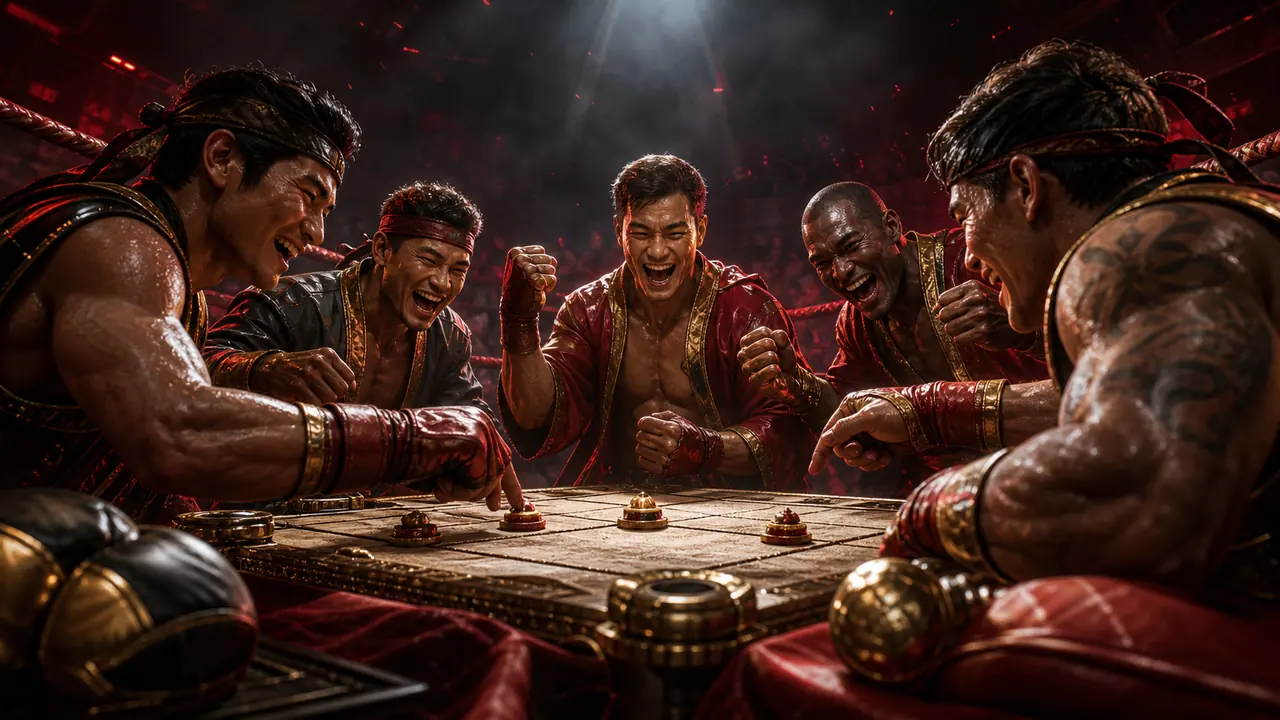
When people hear the word "boxing", many picture a packed arena, bright lights and a championship belt held high. Our game Ring Juara borrows exactly that picture for its title night. But for most people who actually box, the sport looks very different. It is an early morning skipping session, a coach calling out combinations on the pads, a group of friends doing push-ups together at the end of class. This article is about that everyday side of boxing: the training, the respect and the community.
A sport of skill, not just strength
Boxing is often described as one of the most technical sports there is. A good jab depends on balance and timing more than on raw power. Footwork decides who controls the space. Defence, the art of not being where the other person expects you to be, takes years to learn. Competitive boxing is a regulated sport with weight classes, rules, referees, judges and medical checks, and amateur boxing in particular puts a strong emphasis on clean technique and scoring.
Most people who walk into a boxing gym will never compete, and that is completely fine. Many gyms offer classes for fitness, technique and confidence, with no contact at all.
The basics of a training session
A typical session for beginners follows a familiar structure, whatever the gym:
- Warm-up. Light jogging, mobility work for the shoulders, hips and ankles, and plenty of skipping. The skipping rope is the classic boxing warm-up because it trains rhythm, coordination and light feet.
- Stance and footwork. Learning to stand balanced, with your weight spread and your hands up, then moving forwards, backwards and sideways without crossing your feet.
- Basic punches. The jab, the cross, the hook and the uppercut, practised slowly in the air before speed is added.
- Shadow boxing. Putting stance, footwork and punches together in front of a mirror, imagining an opponent. It is a great way to build technique without any equipment.
- Bag and pad work. Hitting a heavy bag teaches you to stay balanced while connecting. Pad work, where a coach holds focus mitts and calls out combinations, trains timing and accuracy.
- Conditioning. Short bursts of exercises like squats, push-ups, planks and sit-ups, often done in timed rounds.
- Cool-down. Gentle stretching and slow breathing to bring the heart rate down.
Many gyms structure their training in rounds with short rests, just like a real bout. The bell or the timer becomes part of the rhythm, and after a few weeks you start to feel exactly how long a round lasts.
Why it works as a fitness habit
Boxing training combines several types of exercise in one session. Skipping and rounds on the bag raise the heart rate. Holding a good stance works the legs and core. Punching in combinations trains coordination between eyes, hands and feet. Because every round is short and has a clear goal, the time passes quickly.
There is also a mental side that many people value. Learning a new combination demands full concentration, which leaves little space for the worries of the day. Plenty of people say they leave a boxing class calmer than when they arrived.
Respect and safety come first
Boxing has a strong culture of respect, and good gyms protect it carefully:
- Touch gloves. Partners touch gloves before and after working together as a sign of respect and goodwill.
- Listen to the coach. The coach decides what you are ready for. Beginners usually spend weeks on technique before any partner drills.
- Wrap your hands and use the right gear. Hand wraps, properly fitted gloves and, for any partner work, a mouthguard and headgear where the gym requires it.
- Contact is optional and supervised. Sparring is never something to rush into. In a good gym it only happens under supervision, at an agreed light pace and when both partners are ready.
- Know your limits. Drink water, rest when you need to and, if you have a health condition or have not exercised for a long time, talk to a doctor before starting a new training programme.
- Leave ego at the door. Nobody cares how hard you hit. Everyone cares whether you are a good training partner.
Why gyms are community spaces
Walk into almost any boxing gym and you will notice how mixed the people are. Students, office workers, parents, teenagers with their coach's permission and older members who have trained there for decades. The rhythm of the bell puts everyone on the same schedule. People hold pads for each other, share tips about footwork and cheer when someone finishes a tough round.
Many gyms also give something back to their neighbourhood. They offer a safe, structured place to spend the evening, teach discipline and routine, and show younger members that hard work and respect go together. A coach who knows every member's name is often as important as the equipment on the walls.
Getting started
If you would like to try boxing for fitness, look for a gym or class with experienced coaches, a clean and organised training space and a friendly beginners' programme. Try a trial session, ask questions, and do not worry about looking clumsy. Everyone did at the start.
Where Ring Juara fits in
Ring Juara is not a sports game or a training app. It is a free social casino game for adults aged 18 and over, played with virtual coins that have no cash value. What it borrows from boxing is the atmosphere of title night and the values of the gym: discipline, fair play and respect. You can see how that became a game in the Malam Gelar guide and on the features page. And if this article has made you curious, maybe your first skipping session is closer than you think.